Aster Environmental - admin@aster-enviro.com - 705-627-3588

Natural Heritage Evaluation Services
Call today and speak directly with a qualified ecologist. We will answer any initial questions and provide you with advice and a quote at no cost.
What is a Natural Heritage Evaluation?
A Natural Heritage Evaluation (NHE) assesses the ecological, biological, and physical attributes of a site to identify and delineate natural features. Similar to an Environmental Impact Study (EIS), an NHE is used to inform decisions regarding land use planning and development in Ontario. An NHE report will assess the significance of natural features, identify options for mitigation and protection, and offer an opinion on the viability of a development proposal.
Environmental Consultants Specializing in the Preparation of Natural Heritage Evaluation Reports in Ontario
Aster Environmental is a leading provider of Natural Heritage Evaluation services in Ontario. Our expert ecologists have a comprehensive understanding of environmental planning policies and regulations in Ontario.
Our team of professionals support clients across the province, specializing in Oak Ridges Moraine localities such as Township of King, Town of Caledon, City of Richmond Hill, Township of Uxbridge, and Town of Whitchurch-Stouffville. We also specialize in NHE reports for Niagara Escarpment Plan approvals across Niagara, Halton, Peel, Dufferin, Grey, and Bruce County.
We guide our clients through the process from start to finish. We routinely prepare NHE reports to support applications for severance, minor variance, zoning bylaw amendments, NEC permit approvals, etc. We provide a personalized service without the big price tag.
When is a Natural Heritage Evaluation required?

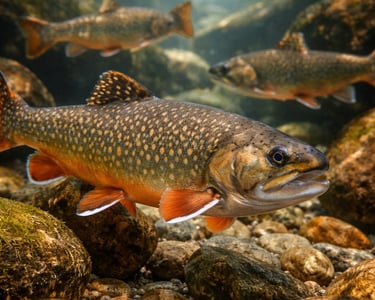
You may be asking yourself, why do I need a Natural Heritage Evaluation?
A municipality or other planning authority may request an NHE to support an application for development approvals. This represents an important planning tool used to determine whether development conforms with policies for environmental protection.
Natural Heritage Evaluation submissions are a standard requirement under several core provincial plans, including:
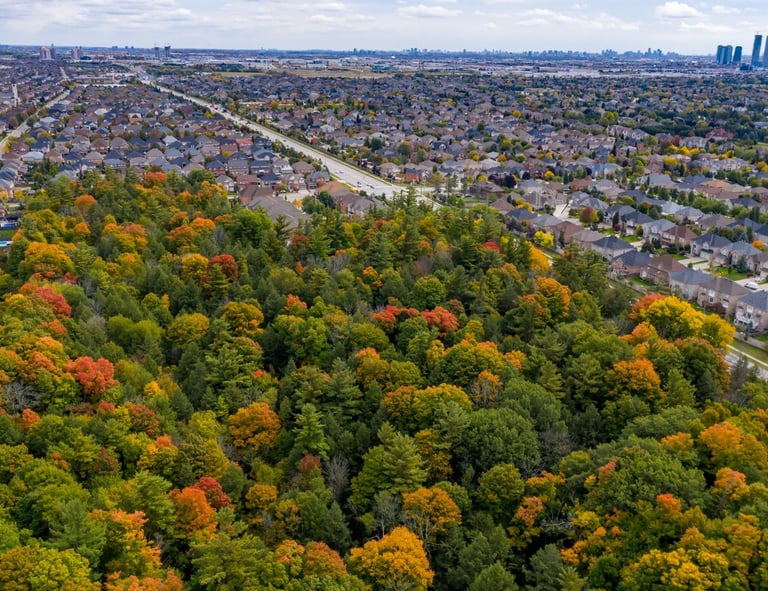
In most cases, the need for an NHE is triggered by development being proposed near one or more natural features, such as woodlands, wetlands, watercourses, or habitat for Species at Risk. This will typically be identified early in the application process by the municipality or other agency. If the development envelope cannot be shifted to avoid the sensitive feature, the NHE may be necessary to proceed.
In many cases, a natural heritage study may be a simple matter of process. Other times, it may be a critical step in determining the feasibility of a project. Regardless, it is rare that this step can be skipped or waived.
That is where Aster Environmental comes in. We help our clients understand why the NHE is necessary. More importantly, we stick to the relevant details and use our expertise to keep the process simple.
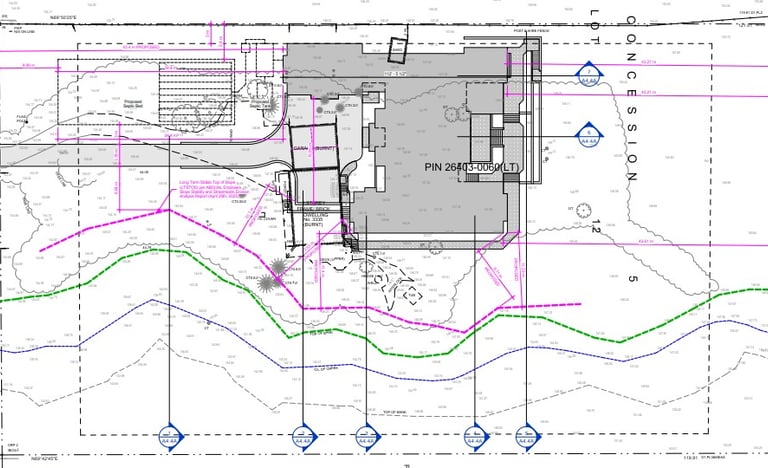
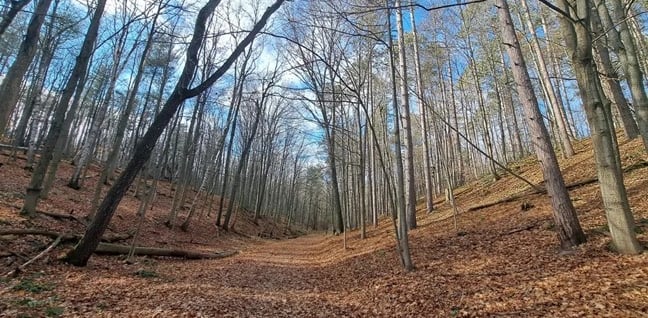
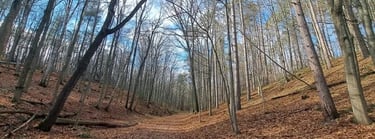
NHE reports are completed following the standards of applicable municipal and provincial guidelines. Natural Heritage Evaluation requirements can vary by jurisdiction, but will generally include the following steps.
Review of background information resources: an NHE report will review background databases to acquire information regarding natural heritage features on the surrounding landscape. This can include records of species at risk, or information about known sensitive features, such as wetlands or significant woodlands.
Agency communications and coordination: an NHE may include consultation with one or more agencies, such as the local municipality or conservation authority. This is good practice to promote a streamlined review and approval process.
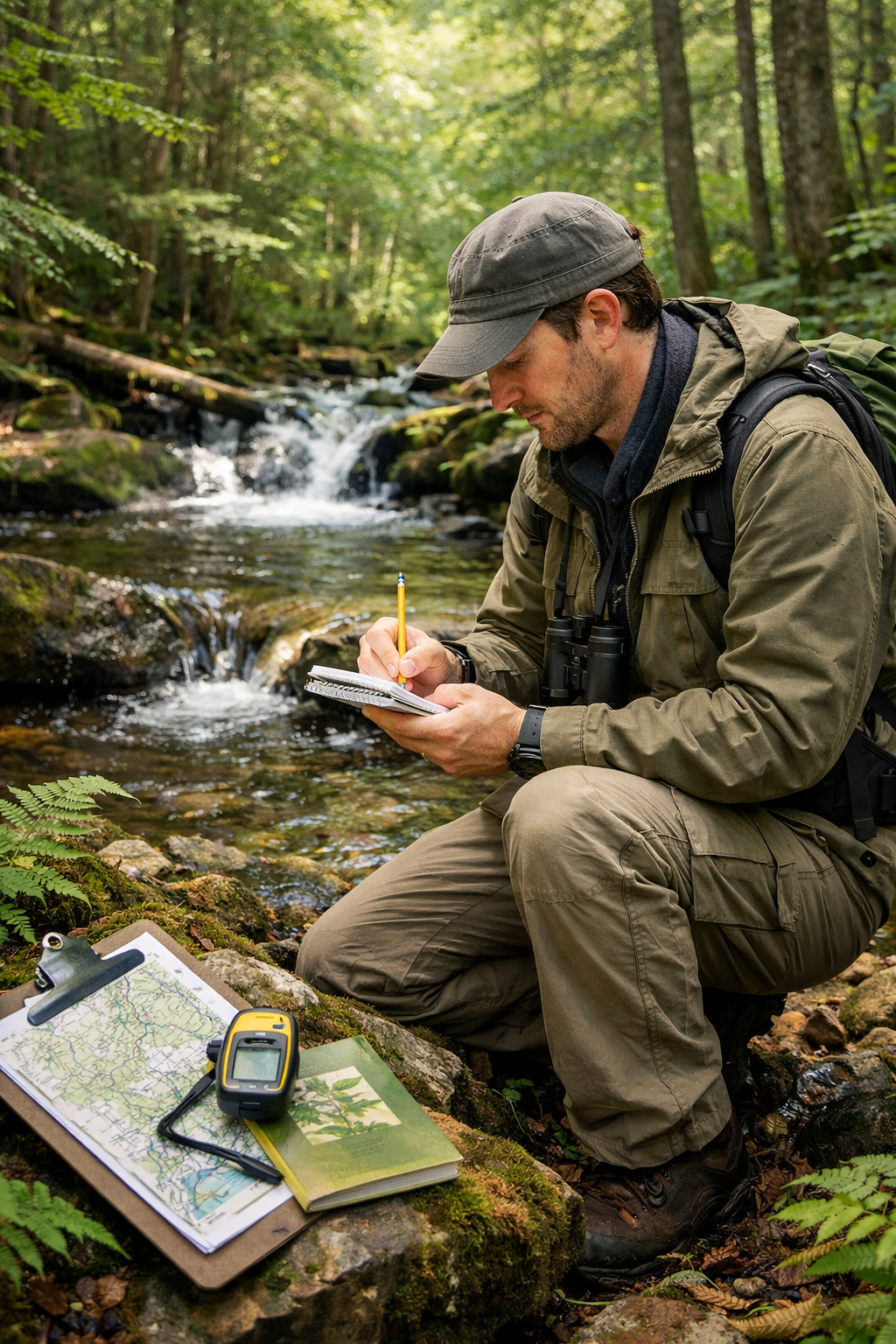
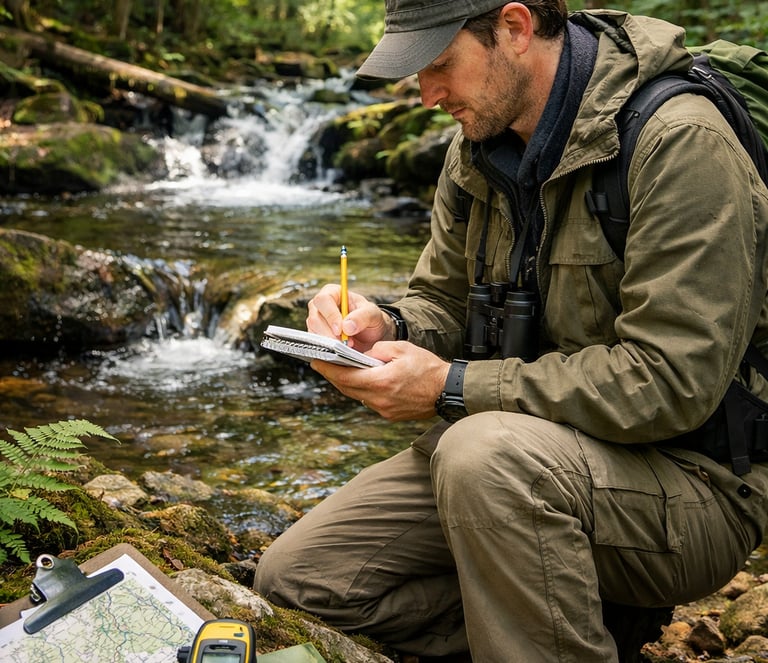
Field surveys to document natural heritage conditions: a key aspect of any NHE is field data collection. An ecologist will conduct one or more field surveys to document existing site conditions and identify potential constraints to development.
Mapping analysis of natural heritage features: an NHE report will incorporate detailed mapping of natural heritage constraint limits, such as the delineated boundaries of woodland and wetlands.
Development impact analysis: the report will include a detailed review of how proposed development may impact identified natural features. This discussion will offer recommended measures for avoiding or mitigating impacts, such as setbacks, buffers, and construction best management practises.
Review of conformity with environmental policies and regulations: in most cases, an NHE will include a discussion on how the proposed development conforms and complies with applicable planning policies and environmental regulations.
What does a Natural Heritage Evaluation include?
Other FAQs Regarding NHEs in Ontario:
Who completes a Natural Heritage Evaluation Report?
A typical NHE consultant is an ecologist or other qualified professional with expertise in ecosystem characterization and impact assessment.
What is the cost of a Natural Heritage Evaluation?
As with any professional service, the cost varies based on the complexity of the project. One of the most important factors influencing cost is the numbers of field surveys required to complete the study. We are open and transparent about our fees - give us a call to discuss!
How long does it take to complete an NHE?
An NHE may require multiple site surveys or, in some cases, can be completed based on a single survey. We prioritize the schedules of our clients, with turnaround times often measured in weeks, not months.
Does completion of an NHE guarantee approval of my application?
We strive to work collaboratively with clients and approval agencies to seek solutions. Our work receives consistent agency approvals in jurisdictions across Ontario.
We welcome any and all questions regarding the process of completing a Natural Heritage Evaluation. Send us an email or give us a call to speak directly with a qualified Ecologist!
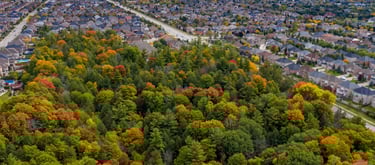
What field surveys are required to inform an NHE?
An NHE almost always involves one or more field surveys, such as:
Ecological land classification.
Woodland and wetland delineation, potentially including a formal wetland evaluation.
Watercourse and fish habitat assessment.
Plant and tree inventories.
Wildlife surveys (e.g., birds, frogs, bats).
Species at Risk (SAR) surveys and SAR habitat assessment.
Many Ontario planning authorities or other agencies have produced guidelines, standards, and technical resources to support NHE practitioners. The list below provides links to resources in some of the jurisdictions in which we work:
Technical Definitions and Criteria for Identifying Key Natural Heritage Features and Key Hydrologic Features for the Lake Simcoe Protection Plan: this is an important guideline containing technical criteria for how significant natural heritage features are identified, defined, and delineated in the planning area of the Lake Simcoe Protection Plan.
Oak Ridges Moraine Technical Paper Series: similar to the document above, this website contains a link to various 'technical papers' containing criteria and guidance for implementing NHE reports in the planning jurisdiction of the Oak Ridges Moraine.
City of Richmond Hill - Natural Heritage Evaluation 'Terms of Reference': this is an example of a municipal template for establishing NHE 'Terms of Reference', which summarizes a scope of work agreed upon by all parties.
Natural Heritage Evaluation Guidelines & Resources
Environmental Consultants Servicing Southern, Central, & Eastern Ontario.
Direct Contact:
705-627-3588
admin@aster-enviro.com